Kenya, Japan Strengthen Forestry Management Through Digital Monitoring Tools
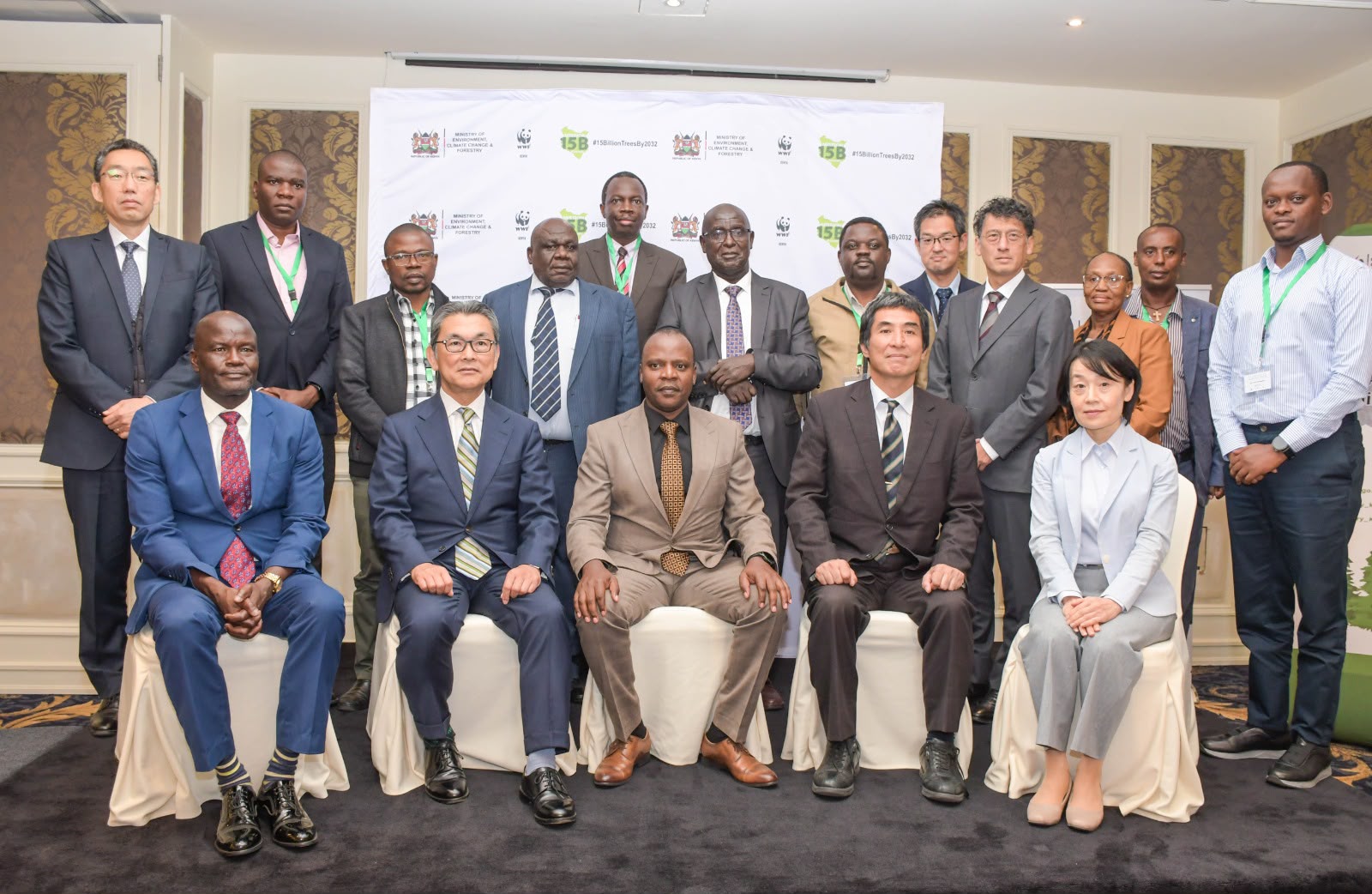
Forestry stakeholders from Kenya and Japan pose for a group photo during the SFS-CORECC project seminar to promote sustainable forest management and climate resilience in Nairobi, October 15, 2026.
Kenya and Japan have introduced digital tools to improve forest monitoring and support the country’s ambitious plan to grow 15 billion trees by 2032.
The National Forest Monitoring System–Forest Information Platform (NFMS-FIP) and the Tree Cover Monitoring Tool were unveiled during a forestry seminar in Nairobi on Thursday, providing institutions with additional capacity to assess forest conditions, track changes in tree cover and plan restoration programmes.
The launch comes as Kenya seeks to increase national tree cover to at least 30 per cent, a goal that requires reliable information to guide conservation, planting and sustainable management of forest resources.
Speaking through Secretary for Forest Development George Tarus, Principal Secretary for Forestry Gitonga Mugambi said achieving the country’s forestry objectives would require continued investment, institutional capacity and partnerships with development agencies.
“Kenya’s forestry agenda depends on sustained investment, strong institutions and collaboration with development partners,” said Tarus.
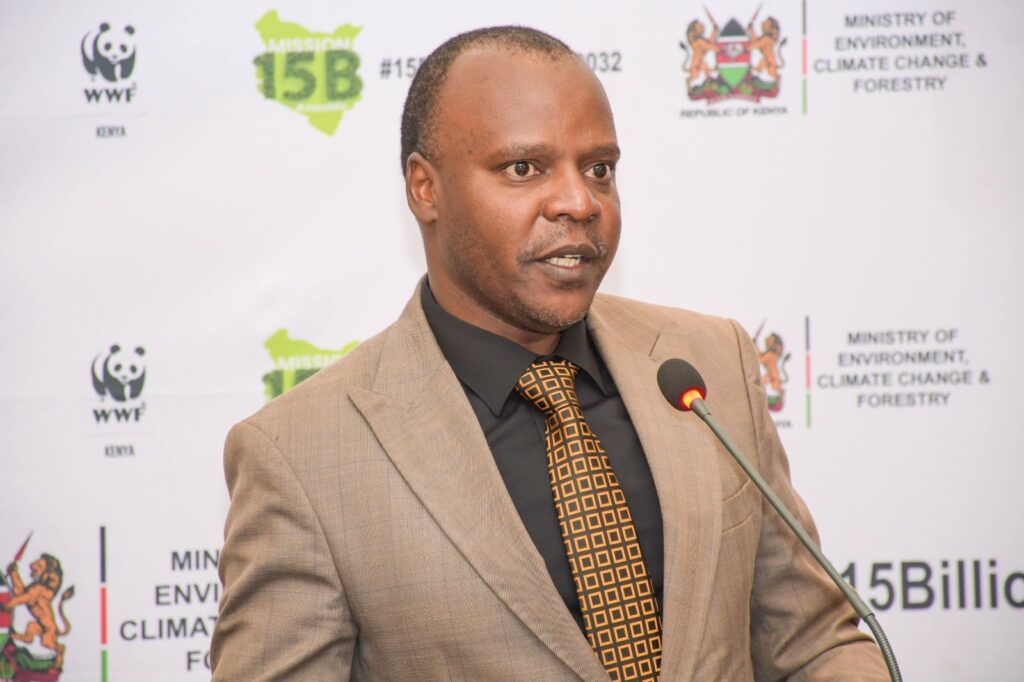
He said Kenya’s collaboration with Japan had supported progress in forest management, tree breeding, commercial forestry and the development of forest information systems over the past four decades.
“Our cooperation with Japan has contributed to improvements in forest management, tree breeding, commercial forestry and forest information systems over the past four decades,” he said.
The newly introduced platforms are expected to strengthen access to forestry data, enabling relevant agencies to make informed decisions on conservation, landscape restoration and the management of tree resources.
Accurate monitoring is also essential in protecting water catchment areas, preserving biodiversity and helping communities cope with the effects of climate change as the country expands its tree cover.
Beyond monitoring, Kenya’s cooperation with Japan has focused on developing better planting materials and identifying tree species appropriate for different ecological zones.
One such species is Melia volkensii, which offers opportunities for commercial forestry in dryland areas and could contribute to timber production and income generation.
Principal Deputy Chief Conservator of Forests in charge of Forest Conservation and Management Dr. Clement Ng’oriareng’ said commercial forestry presented opportunities to attract investment, increase timber supplies and create alternative livelihoods for communities.
However, he noted that developing the industry required an integrated approach encompassing quality seedlings, technical expertise, processing infrastructure and dependable markets.
Such interventions are expected to help establish a commercially viable forestry sector while ensuring forest resources are managed responsibly.
Japan’s Ambassador to Kenya, Hiroshi Matsuura, emphasised the need to balance commercial forestry with the protection of natural forests.
He said timber obtained through legal and sustainable harvesting should not carry a negative perception, noting the importance of responsible production in meeting demand for forest products.
Japan has contributed to Kenya’s forestry development through the Japan International Cooperation Agency (JICA), which has provided technical assistance and supported capacity-building initiatives.
JICA Senior Director for the Global Environment Department Akiko Tabata called on Kenyan institutions to share knowledge gained through the cooperation and maintain the partnership beyond the project’s lifespan.
The Strengthening Forestry Sector Development and Community Resilience to Climate Change through Sustainable Forest Management and Landscape Restoration (SFS-CORECC) project commenced in February 2022 and is expected to conclude in January 2027.
The initiative is being implemented in partnership with Kenyan forestry institutions and has supported policy development, tree breeding, forest monitoring and commercial forestry in eight counties: Embu, Kilifi, Kitui, Kwale, Makueni, Nyeri, Taita-Taveta and Tharaka-Nithi.
The Kenya Forestry Research Institute, under the leadership of Director Dr. James Ndufa, is among the participating institutions, alongside the Kenya Forest Service and Japanese forestry experts.
The Nairobi seminar provided a platform for government officials, researchers and county representatives to assess the project’s achievements and discuss ways of sustaining its technical gains.
The outcomes are expected to inform ongoing efforts to strengthen forest restoration, promote sustainable forestry practices and improve community resilience to climate change as Kenya works towards its long-term tree cover targets.