
Kenya Hosts Global Forum to tackle Modern Slavery
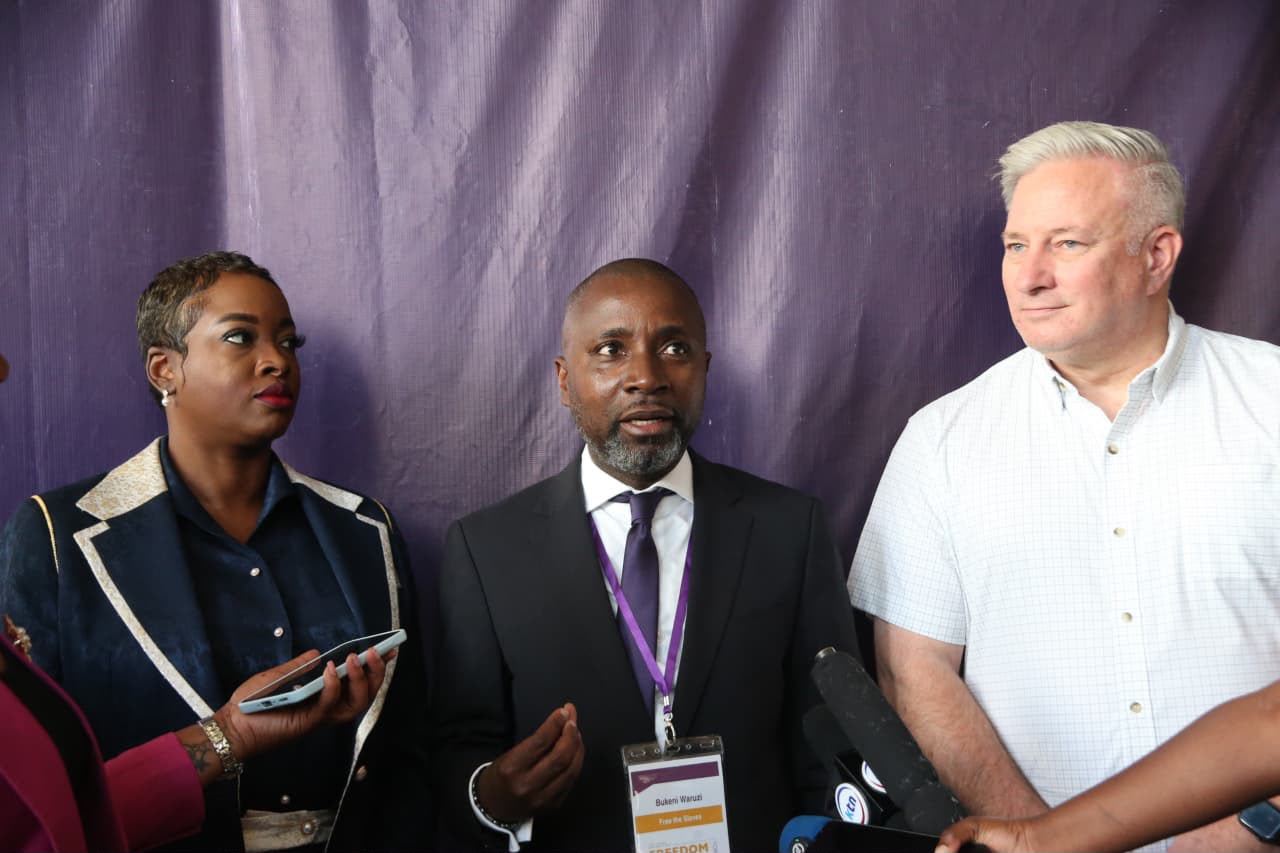
From left: Sungate Foundation CEO Shamere Mackenzie, Free the Slaves Executive Director Bukeni Waruzi and Atlas Free Chief Impact Officer Amb. John Richmond pose for a photo during an event in Nairobi on October 5, 2026.
Kenya is spearheading global efforts to end modern slavery as over 300 delegates converge in Nairobi for the 2026 Freedom from Slavery Global Forum.
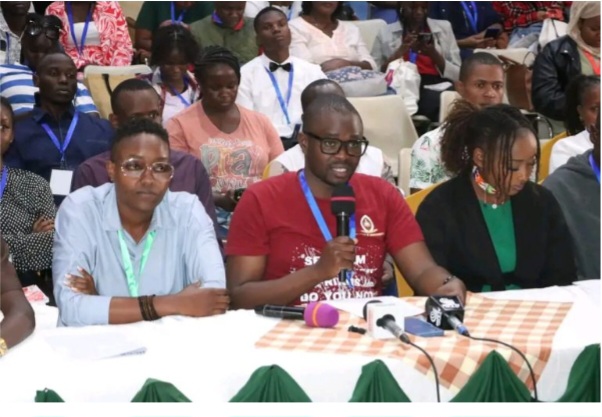
The Forum, which opened today at a Nairobi hotel, has brought together government officials, survivors of modern slavery, business leaders and international experts to agree on practical action to end exploitation.
It is convened by international organization Free the Slaves under the theme: “Freedom in a Changing World: Strengthening Protection, Accountability and Transforming the Systems Behind Modern Slavery.”
The meeting comes at a time when modern slavery remains widespread. Global estimates show 50 million people were living in modern slavery in 2021, according to a 2022 report by the International Labour Organization, Walk Free and the International Organization for Migration.
In Kenya, 269,000 people are estimated to be living in modern slavery five in every 1,000 people according to the Global Slavery Index 2023. The National Council on Children’s Services further estimates that 17,500 Kenyans are trafficked annually, half of them children.
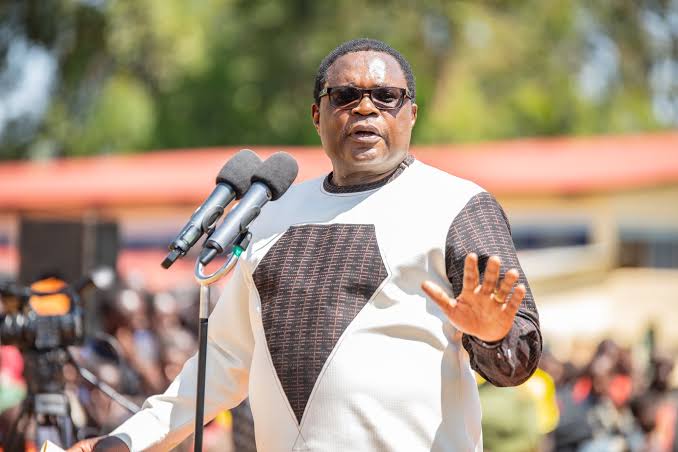
Speaking at the opening, Assistant Labour Commissioner in charge of Child Labour Division at the Ministry of Labour and Social Protection, Artlibert Makori, said Kenya has stepped up measures to combat the vice after being accepted as an Alliance 8.7 Pathfinder Country in 2024.
He said Kenya is strengthening labour inspection, social protection and access to justice while involving survivors in designing solutions.
“As an Alliance 8.7 Pathfinder Country, Kenya remains committed to accelerating action towards eliminating forced labour, modern slavery, human trafficking and child labour through stronger labour inspection, social protection, responsible business conduct and meaningful engagement of survivors,” Makori said.
Makori said emerging threats such as poverty, conflict, climate change, irregular migration and misuse of technology have complicated the fight.
He said the government is strengthening Bilateral Labour Agreements with destination countries to streamline recruitment, protect wages, enforce contracts and improve grievance mechanisms for migrant workers.
“Ethical recruitment and accountability must remain at the heart of the labour migration journey,” he emphasized.
The forum is built on the understanding that modern slavery cannot be ended through isolated interventions. Day one focused on gaps in prevention, protection and accountability. Day two, tomorrow, will develop a roadmap for systemic change focusing on responsible business, ethical recruitment and survivor leadership.
Executive Director of Free the Slaves, Bukeni Waruzi, said the Nairobi meeting has already delivered key milestones.
He said delegates have identified workable approaches and agreed on a joint agenda for action, including the Declaration of Principles for Aligned Action against modern slavery.
“The adoption of the Declaration of Principles for Aligned Action marks a unifying commitment by the movement to strengthen systemic responses and align with leadership of lived experience experts,” Waruzi said.
Survivors are at the centre of the forum, leading discussions on protection and dignity.
Chief Executive Officer of Sun Gate Foundation, Shamere McKenzie, who is a survivor leader, said the forum has moved beyond token inclusion.
“As a survivor leader, I know what it feels like to have decisions made about your life without your voice. This Forum did more than make space for survivors, it affirmed that our lived experience is expertise and opened doors for us to shape policies that will define the future of this movement,” McKenzie said.
The forum is also examining difficult issues including forced marriage, child domestic work, refugee trafficking risks and technology-facilitated trafficking.
Organizers say the focus is on turning discussions into commitments, with emphasis on stronger protection, greater accountability and closer collaboration between government, business and civil society.
The forum ends tomorrow with the expected adoption of the Principles for Aligned Action to End Modern Slavery, which aims to anchor a coordinated global response centred on survivor expertise.