


China Injects Sh390 Million Into Lifesaving Maternal Health Drive for Northeastern Kenya
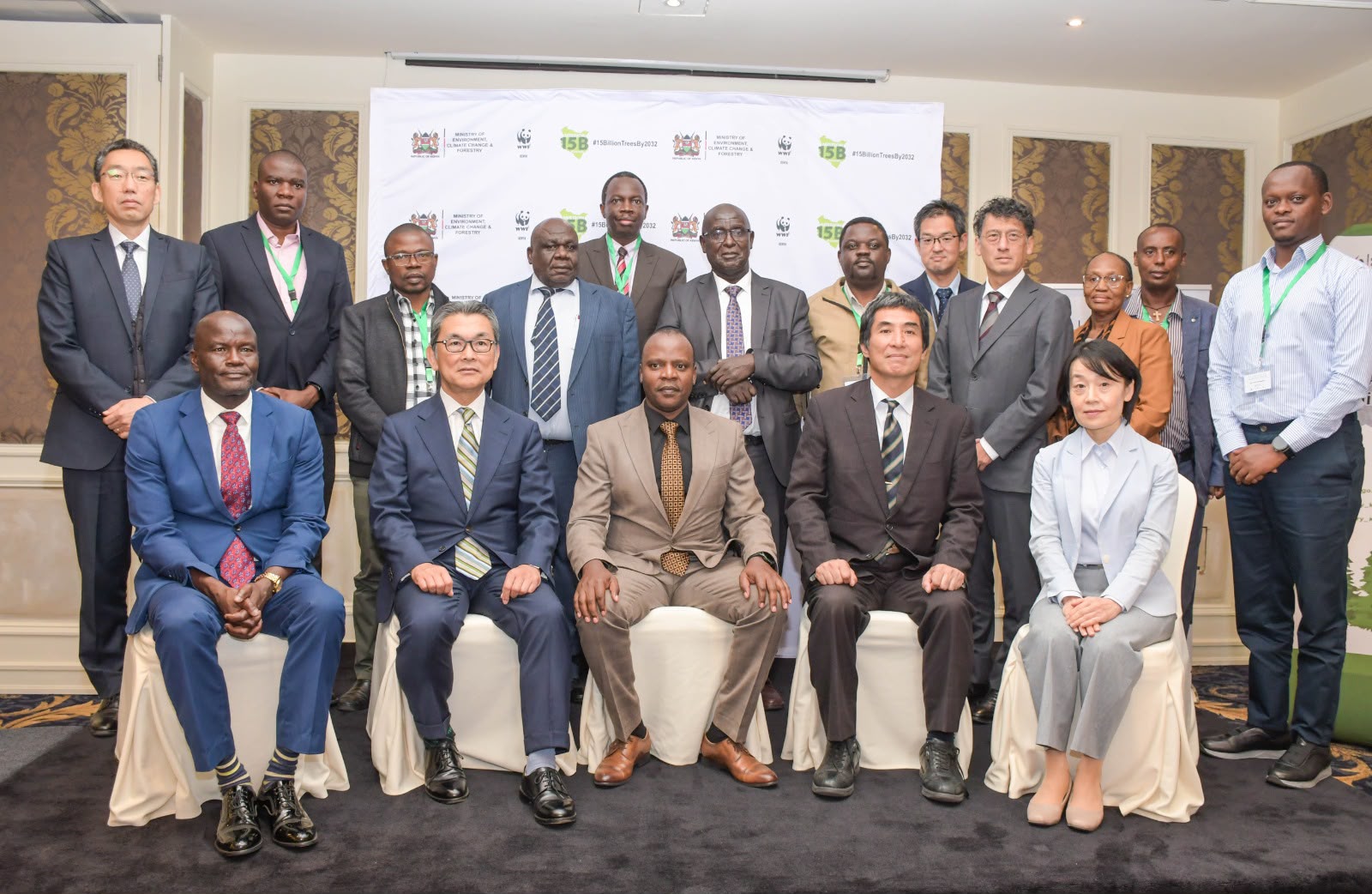
Thousands of vulnerable mothers and newborns in northeastern Kenya are set to benefit from a major healthcare boost after China committed Sh390 million towards a comprehensive maternal and newborn health programme aimed at reducing preventable deaths in the region.
The initiative, funded by the Chinese government through the Global Development and South-South Cooperation Fund and implemented in partnership with UNICEF, will focus on the counties of Garissa, Wajir and Mandera, areas that continue to record some of the highest maternal and infant mortality rates in Kenya despite significant national progress in healthcare.
The programme is expected to directly benefit more than 652,000 people and indirectly impact another 630,000 residents through improved maternal, newborn and emergency healthcare services.
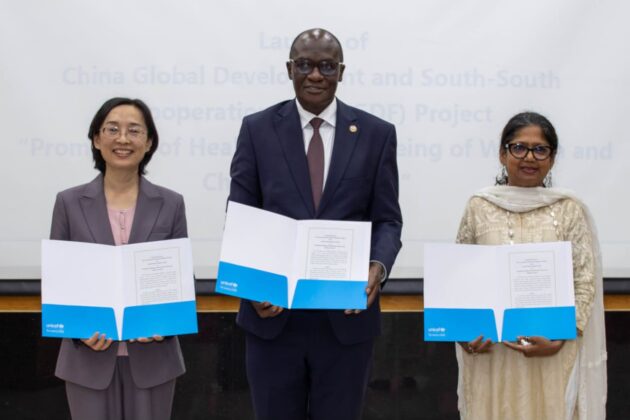
Speaking during the official launch of the project in Nairobi on Tuesday, Chinese Ambassador to Kenya Guo Haiyan described maternal and child healthcare as a critical pillar of cooperation among developing nations.
“Maternal and child health cooperation has always been a key priority of Global South cooperation as it serves to protect basic human rights and safeguard human dignity,” said Guo.
Focus on Practical Solutions
The ambassador emphasized that the programme has been designed to address real healthcare challenges facing communities in northeastern Kenya through practical and measurable interventions.
According to Guo, the project will prioritize targeted cooperation based on local needs, strengthen the capacity of healthcare workers, and ensure efficient management of resources to maximize impact.
“First, we will ensure precision cooperation based on actual needs. Second, we will invest in capacity building of health workers. Third, we will uphold strict and standardised management of resources,” she said.
She noted that the programme builds upon agreements reached during President William Ruto’s State Visit to Beijing in 2025 and aligns with China’s broader Global Development Initiative launched by President Xi Jinping.
“The implementation of this project fully embodies the vision of China’s Global Development Initiative proposed by President Xi Jinping in 2021,” Guo added.
The envoy further pledged continued collaboration between China, UNICEF and Kenya’s Ministry of Health to ensure the programme delivers meaningful results for communities that have long struggled with inadequate healthcare access.
Tackling Persistent Health Inequalities
Health experts have repeatedly warned that maternal and newborn deaths in Garissa, Wajir and Mandera remain significantly higher than the national average due to a combination of challenges, including limited healthcare infrastructure, shortages of skilled health professionals, weak referral systems and vast distances between communities and health facilities.
Director-General for Health Patrick Amoth acknowledged Kenya’s progress in reducing maternal and child mortality nationally but cautioned that major disparities still exist between counties.
“Some counties continue to experience unacceptably high maternal mortality rates. These deaths are preventable and must be addressed collectively,” Amoth said.
He explained that the new programme seeks to strengthen healthcare systems at both community and facility levels by improving emergency obstetric care, enhancing referral networks and ensuring health facilities are equipped with essential medicines and supplies.
“The programme focuses on strengthening health systems, improving emergency readiness, and equipping facilities with essential commodities,” he stated.
Community Health Workers to Play Key Role
Amoth said community health promoters would form a crucial component of the intervention by helping identify pregnancies early, facilitating referrals and educating families on maternal and newborn health practices.
The programme will also invest in improving water, sanitation and hygiene infrastructure within healthcare facilities, a move expected to reduce infections that contribute significantly to maternal and neonatal complications.
UNICEF Kenya Representative Shaheen Nilofer described the initiative as a major step towards addressing long-standing healthcare inequalities affecting some of Kenya’s most underserved communities.
“This partnership helps us turn commitments into practical action where it is needed most,” Nilofer said.
“There is no doubt that this alignment sets the stage for real change.”
She noted that beyond maternal healthcare, the project would strengthen nutrition services, emergency response mechanisms and access to other essential healthcare services.
Hope for Mothers and Newborns
Health officials say the leading causes of newborn deaths in Kenya include prematurity, birth asphyxia and neonatal infections, many of which are preventable through timely access to skilled healthcare workers and properly equipped health facilities.
For years, residents of northeastern Kenya have faced significant barriers in accessing quality healthcare, with expectant mothers often travelling long distances to seek medical attention.
Authorities now hope the Sh390 million investment will help bridge those gaps, improve survival rates among mothers and newborns, and accelerate efforts to eliminate preventable deaths in some of Kenya’s most vulnerable regions.
As the programme gets underway, stakeholders believe it could become a model for targeted healthcare interventions designed to ensure that no mother or child is left behind, regardless of where they live.
I’m not sure where you are getting your information, but good topic. I needs to spend some time learning much more or understanding more. Thanks for magnificent info I was looking for this info for my mission.