
Africa Urged to Take Firm Position in Global Pandemic Negotiations
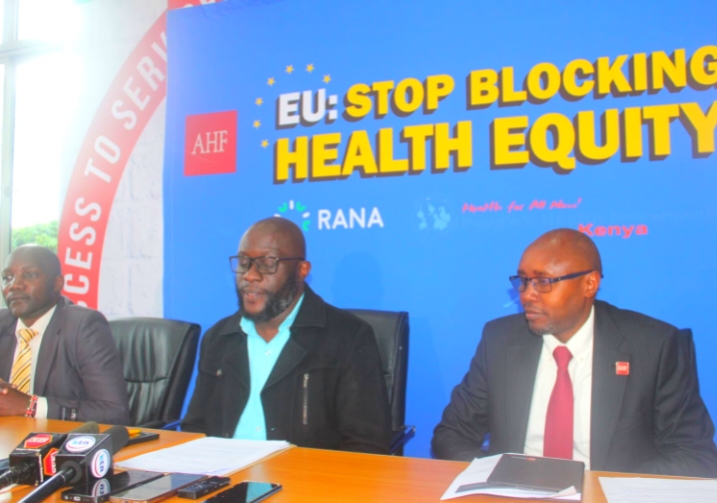
Mr. Aggrey Aluso, Executive Director of Resilience Action Network Africa, speaks during a stakeholder forum on global pandemic negotiations and health equity.
African countries have been called upon to adopt a firm and coordinated position in ongoing global pandemic negotiations, with stakeholders emphasising the need for equitable benefit-sharing from the continent’s biological resources.
Speaking during a stakeholder engagement forum, Mr. Aggrey Aluso, Executive Director of the Resilience Action Network Africa (RANA), said Africa must prioritise legally binding agreements that guarantee fairness in the use of its health data and resources.
He acknowledged the role played by AHF Kenya, the People’s Health Movement, and Mind to Heart in advancing discussions on global health equity.
Mr. Aluso stated that Africa contributes significantly to global health research through pathogen data, which is essential in the development of vaccines, diagnostics, and treatments.
“The foundation of modern pharmaceutical innovation is genetic sequencing data. Without it, no vaccine or treatment can be developed,” he said.
He noted that many diseases with pandemic potential, including Ebola, Marburg, Lassa fever, and mpox, are endemic in Africa. Despite this, the continent continues to face limited access to vaccines and medical countermeasures.
According to Mr. Aluso, Africa carries about 35 per cent of the global disease burden but produces only one per cent of the vaccines it uses, importing the remaining 99 per cent.
He added that Africa has set a target to manufacture 60 per cent of its vaccines locally within the next 15 years.
Data presented during the forum showed that zoonotic disease outbreaks in Africa have increased by 63 per cent over the past decade, with nearly 300 active public health events currently reported across the continent.
Mr. Aluso said the ongoing negotiations in Geneva present a critical opportunity for African countries to secure structured agreements that ensure traceability and fair benefit-sharing.
He explained that proposals under discussion require countries that identify pathogens with pandemic potential to share them through the World Health Organization (WHO), after which pharmaceutical companies would allocate a portion of resulting vaccines and treatments for global access.
Under the proposal, 20 per cent of medical countermeasures developed using shared pathogens would be reserved for the WHO, with half donated to countries with limited capacity and the other half sold at affordable prices.
Mr. Aluso noted that some developed countries are pushing for non-binding arrangements, which would allow voluntary contributions instead of enforceable commitments.
He cautioned that such an approach could undermine equitable access, citing challenges experienced during the COVID-19 pandemic.
The RANA Executive Director also highlighted capacity gaps in African participation during international negotiations, noting that many countries are represented by small delegations compared to developed nations with large teams of experts.
He called for stronger coordination among African countries to enhance technical expertise and strengthen their collective negotiating position.
Mr. Aluso urged African leaders to define clear priorities and ensure their interests are fully represented in the negotiations.
He warned that the current round of talks is critical for shaping future global health frameworks.
“This is a crucial moment for Africa to secure fair terms in global health governance,” he said.