
Nairobi Hosts Global Symposium on GBS to Accelerate Prevention of Newborn Infections
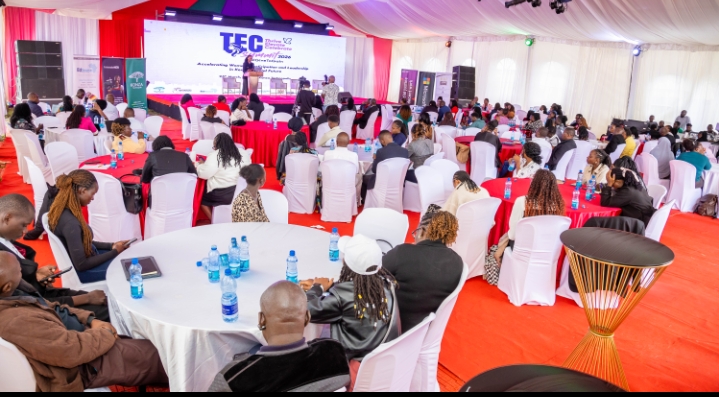
NAIROBI, Feb. 23, 2026 — Global scientists, clinicians and policymakers have convened in Nairobi for the 2026 International Symposium on Streptococcus agalactiae Disease (ISSAD), the first time the premier conference on Group B Streptococcus (GBS) is being held in East Africa a region bearing some of the world’s highest disease burden.
Running from February 23–25, the meeting brings together experts from more than 40 countries to accelerate research, policy action and vaccine development aimed at preventing GBS infections, a leading cause of neonatal sepsis, meningitis, stillbirths and postpartum infections.
Africa at the Centre of the Conversation

Chaired by Dr Hellen Barsosio, a clinical research scientist with the Kenya Medical Research Institute Liverpool School of Tropical Medicine collaboration, the symposium places African-led science and implementation strategies at the forefront of global health discussions.
“Hosting ISSAD 2026 in Nairobi presents a transformative opportunity to centre the voices and experiences of communities most affected by GBS disease,” Dr. Barsosio said, noting that researchers from low- and middle-income countries are presenting evidence drawn from settings where the burden is heaviest.
A Persistent but Preventable Threat
Group B Streptococcus commonly found in the gut or genital tract of many healthy adults poses serious risks during pregnancy and childbirth.
Global estimates show:
- About 1 in 5 pregnant women worldwide carry GBS.
- Nearly 400,000 infants develop invasive disease annually.
- The infection is linked to roughly 91,000 infant deaths and more than 46,000 stillbirths each year.
Despite decades of research, there is no licensed vaccine, leaving prevention largely dependent on screening and antibiotics during labour interventions that remain difficult to deliver consistently in resource-limited settings.
Kenya Positioned as Regional Health Innovation Hub
Kenya’s selection as host reflects its growing status as a centre for medical research, surveillance and policy innovation, with strong backing from the Kenya Ministry of Health and national research institutions.
Day-one sessions focused on vaccine candidates currently in clinical trials, maternal immunisation approaches, and surveillance gaps that limit accurate estimates of GBS impact in sub-Saharan Africa and South Asia. Researchers are also examining links between GBS and prematurity, stillbirths and maternal illness using data from the Child Health and Mortality Prevention Surveillance Network.
Linking Maternal and Newborn Survival

Speaking at the conference, Professor Anne Kihara of the University of Nairobi emphasised that improving newborn survival must begin with protecting maternal health.
“The mother and the newborn are intricately interconnected. When we safeguard the mother during pregnancy, we improve the chances of a healthy baby,” she said.
Prof. Kihara noted that Kenya is still off track in meeting Sustainable Development Goal targets on maternal and newborn mortality, calling for stronger collaboration among midwives, obstetricians, paediatricians and public health specialists.
She urged expanded antenatal care, disease screening, and preventive interventions including maternal immunisation to address infections such as GBS that can pass from mother to child before or during birth.
From Evidence to Action
A key focus of ISSAD 2026 is shifting from research to implementation by:
- Strengthening national data systems to better measure disease burden.
- Developing context-specific maternal vaccination guidelines.
- Expanding surveillance of infections affecting pregnant women.
- Supporting local manufacturing capacity for vaccines and treatments in Africa.
Experts highlighted that understanding local epidemiology is essential before introducing new vaccines, warning that solutions must reflect regional realities rather than rely solely on imported interventions.
A Turning Point for Prevention
Previous ISSAD meetings in South America, Europe and southern Africa helped shape global research agendas. Organisers say the Nairobi edition aims to catalyse policy uptake in high-burden regions where prevention could save the most lives.
With sessions continuing through February 25 on diagnostics, antimicrobial resistance and vaccine readiness, participants say the symposium signals a decisive shift toward coordinated global action against a largely preventable diseaseas.