
Study Uncovers Startling Truth: 80% of Child Deaths in Africa Could Be Prevented
When Mama Baraka lost her four-year-old son in 2024, her world fell apart. Her TikTok posts, which now serve as a digital memorial to Brylejones Baraka, detail the family’s painful struggle to save him.
“Baby Baraka was a post-liver transplant; he was on immunosuppressive medication. He had sepsis and was admitted for three weeks, but there was no improvement,” she shared in a July 2024 video that has since garnered over 520,000 views.
The child had battled health complications from infancy. At just five weeks old, his condition worsened, and by his first birthday, doctors recommended a liver transplant. His mother selflessly donated part of her liver, praying it would save his life. But after a series of infections and eventual multi-organ failure, Baraka died on June 16.
A postmortem revealed malignant tumours in his liver, kidneys, intestines, and lungs. “We tried everything,” Mama Baraka said tearfully. “If we had the keys to his life, we would have opened that lock.”
A study conducted by the Child Health and Mortality Prevention Surveillance (CHAMPS) Network has noted that the majority of childhood deaths in high-mortality settings are linked to preventable infectious diseases
The report adds that these deaths can be better understood and addressed using an innovative postmortem diagnostic tool known as Minimally Invasive Tissue Sampling (MITS)
Baraka’s story reflects a broader crisis. A recent report by the CHAMPS Network, implemented in Kenya through the Kenya Medical Research Institute (KEMRI), shows that 86.9 percent of child deaths in Africa between ages 1 and 5 involve infections, with over 82 percent deemed preventable.
Dr. Victor Akelo, CHAMPS Senior Director at KEMRI, explained that despite global investments in child health, under-five mortality remains high in parts of Africa.
“The Gates Foundation supported the launch of CHAMPS to better understand the causes of death,” he said.
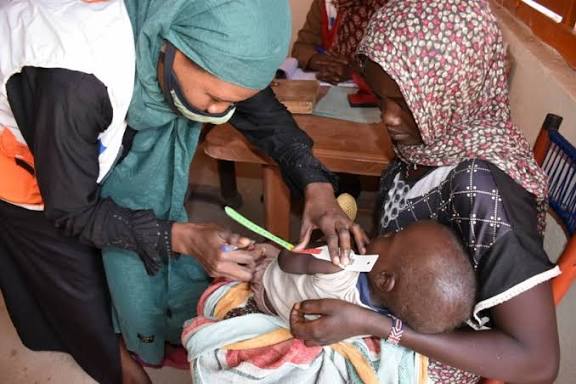
CHAMPS uses an advanced method called Minimally Invasive Tissue Sampling (MITS), which replaces full autopsies with needle biopsies that allow researchers to collect and test samples without disfiguring the body making it more culturally acceptable.
Dr. Akelo noted that the research covered 632 child deaths across sites in sub-Saharan Africa and South Asia. The leading underlying causes included malnutrition, HIV, malaria, birth defects, respiratory infections, and diarrheal diseases.
While Kenya has made progress against malaria thanks to insecticide-treated bed nets, preventive treatments for pregnant women, and vaccine rollout malaria remains a leading killer of children in high-burden areas like Siaya County.
Among the most dangerous pathogens identified were Klebsiella pneumoniae, Plasmodium falciparum, and Streptococcus pneumoniae. Alarmingly, many infections were found to be nosocomial, or acquired in healthcare settings, highlighting weaknesses in hospital infection control.
“A lot of sepsis, pneumonia, and meningitis cases in children are linked to poor infection control within hospitals,” Dr. Akelo said, adding that just as with COVID-19, basic hygiene and surface disinfection can prevent the spread of deadly pathogens.
Paediatricians are on the frontlines of this crisis. Dr. Isaac Kihurani of Aga Khan University Hospital said losing a child is emotionally devastating for caregivers and clinicians alike.
“You empathise deeply. We often have to seek counselling or support from peers to process the loss,” he said.
Dr. Aura Nzinga, who treats children up to age 10, emphasized the emotional toll of preventable deaths. “We hold debriefs after such cases to examine what went wrong and how we can improve,” she said. In cases of unclear causes, her team recommends post-mortems to offer closure to families.
Dr. Nzinga added that HIV-positive children need psychological support to understand their diagnosis and live full lives.
Both doctors stressed the importance of early intervention. For HIV, mother-to-child transmission prevention is key.
“We aim to reduce the viral load in pregnant women and provide safe delivery options,” Dr. Isaac Kihurani noted.
The CHAMPS findings are more than a research milestone they are a wake-up call. With evidence pointing to mostly preventable causes, the challenge now is translating data into action.
“We know what’s killing these children,” said Dr. Akelo. “What remains is the will and investment to prevent it.”
Baraka’s story is one of thousands. But it doesn’t have to repeat. As health systems absorb the findings, the question is no longer what needs to be done but how soon we will do it.