



Kenya Strengthens Healthcare Systems Through Digital Innovation
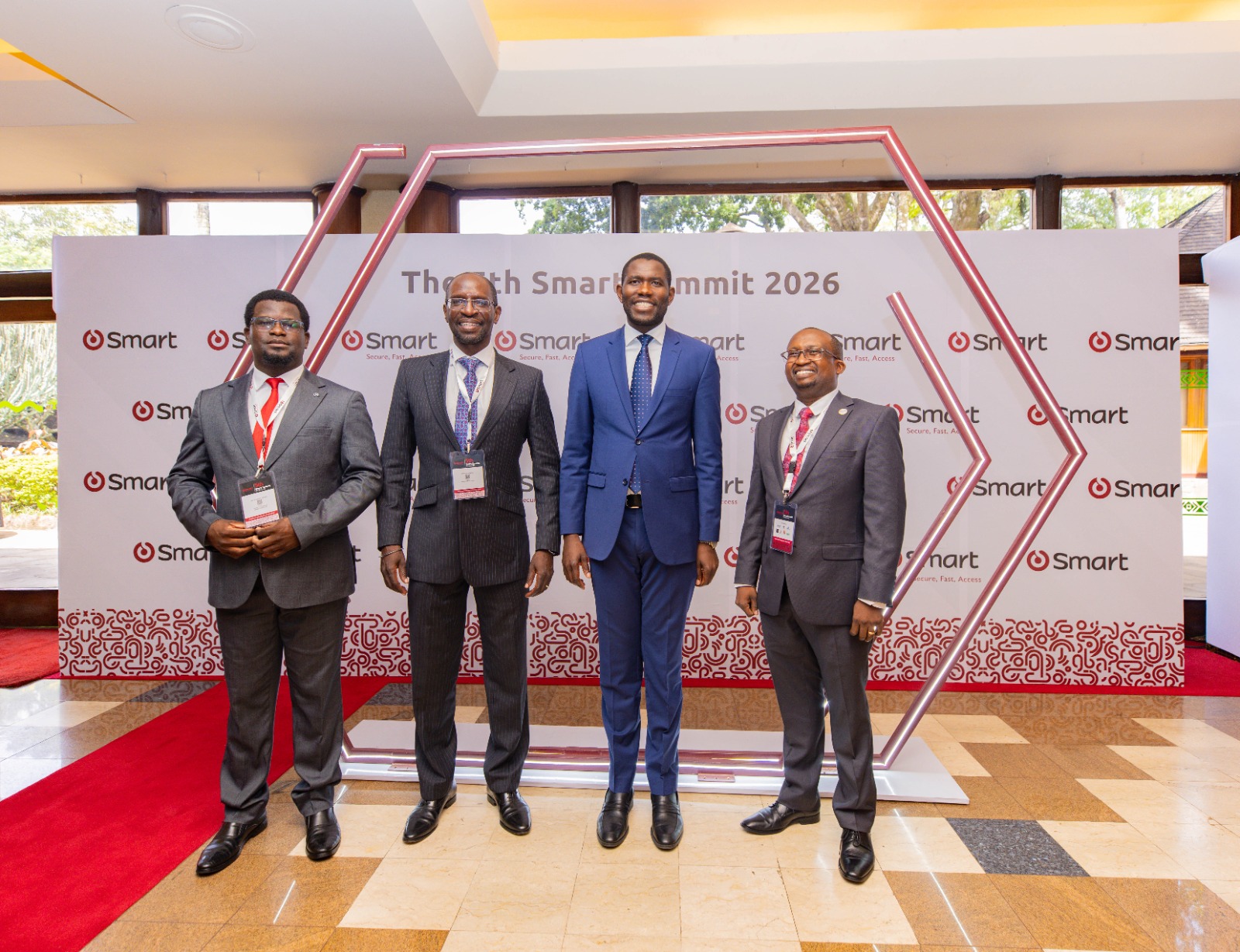
From L- R Mr. William Techera, Group Head of Marketing Smart Applications, Andrew Musangi, Board Chairman Smart Applications, Dr. Ouma Oluga PS State Department Medical Services and Mr. Harrison Muiru, Group Managing Director Smart Applications during the 5th Smart Summit 2026 held in Nairobi on March 19, 2026.
Kenya’s push to modernise healthcare through digital systems and stronger health financing took centre stage at the fifth Smart Summit in Nairobi, where government officials and healthcare technology leaders explored how innovation can improve patient care and strengthen service delivery across the country.
Smart Applications International, which hosted the summit, is a Nairobi-based healthcare technology company that has spent over 20 years advancing digital health across Africa. Its platforms connect hospitals, insurers, and government systems, helping improve patient care, streamline services, and expand access to healthcare.
Speaking at the forum, Principal Secretary for Medical Services Dr. Ouma Oluga emphasised that healthcare reforms must prioritise both technology and the people who deliver care, noting that the success of universal health coverage ultimately depends on the strength of the health workforce.
“The workforce is the system,” Dr. Oluga said. “You can build hospitals, invest in technology, medicines and financing, but in the end it comes down to the interaction between the patient and the health worker. That interaction determines whether people get a good experience and whether their problems are solved.”
He said the government is advancing key reforms including the expansion of digital health infrastructure aimed at improving coordination, efficiency and accountability across the healthcare system.
However, Dr. Oluga acknowledged that bridging the digital divide remains a major challenge, particularly in rural areas where some facilities still lack reliable connectivity and digital systems.
“We still have many health facilities where we are working to ensure there is electricity, internet connectivity and digital systems,” he said. “At the same time, we must support health workers who have practised on paper for years so that they can transition smoothly into the digital systems we are introducing.”
Smart Applications International Group Managing Director Harrison Muiru said the summit provides a critical platform for healthcare stakeholders to share solutions and explore how technology can address long-standing challenges in the sector.
“At Smart we have spent more than two decades building technology that improves how healthcare is managed and accessed,” Muiru said. “Today our platforms connect thousands of healthcare facilities and help providers manage patient information, claims and service delivery more efficiently.”
Muiru noted that strengthening healthcare systems will require collaboration between government, healthcare providers, insurers and technology partners to ensure that digital solutions translate into real improvements for patients.
Smart Group Chairman Andrew Musangi emphasised the need for the health sector to move away from outdated manual systems, noting that digitisation can significantly reduce inefficiencies and delays in service delivery.
“You cannot have pieces of paper moving from hospitals across the country to Nairobi to be processed manually,” Musangi said. “The solution is to create a digital highway where healthcare information moves quickly and securely.”
He said digital health platforms are helping to streamline operations across hospitals, insurers and healthcare providers while improving transparency and patient experience.
Smart Group CEO Isaiah Masiori said digital innovation is increasingly becoming central to strengthening healthcare delivery, noting that technology can help streamline operations and improve access to services for patients across the country.
“Digital health is no longer a future concept; it is already shaping how healthcare is delivered today,” Masiosi said. “By integrating technology into health systems, we are able to improve efficiency, support healthcare providers and ultimately ensure that patients receive faster and better care.”
Masiosi added that partnerships between government, healthcare providers and technology innovators will be critical in ensuring digital health solutions translate into real improvements within hospitals and healthcare facilities.
The summit brought together policymakers, healthcare professionals, insurers and technology innovators from across the region to explore emerging digital health solutions and identify partnerships that can accelerate healthcare transformation in Kenya and beyond.
During the discussions, participants also highlighted the importance of strengthening specialised care services, including ongoing government efforts to expand cancer treatment capacity, improve maintenance of medical equipment and support prevention through screening and public awareness initiatives.
