
Kenya Launches New Mining Guidelines to Boost Sector Growth and Protect Communities

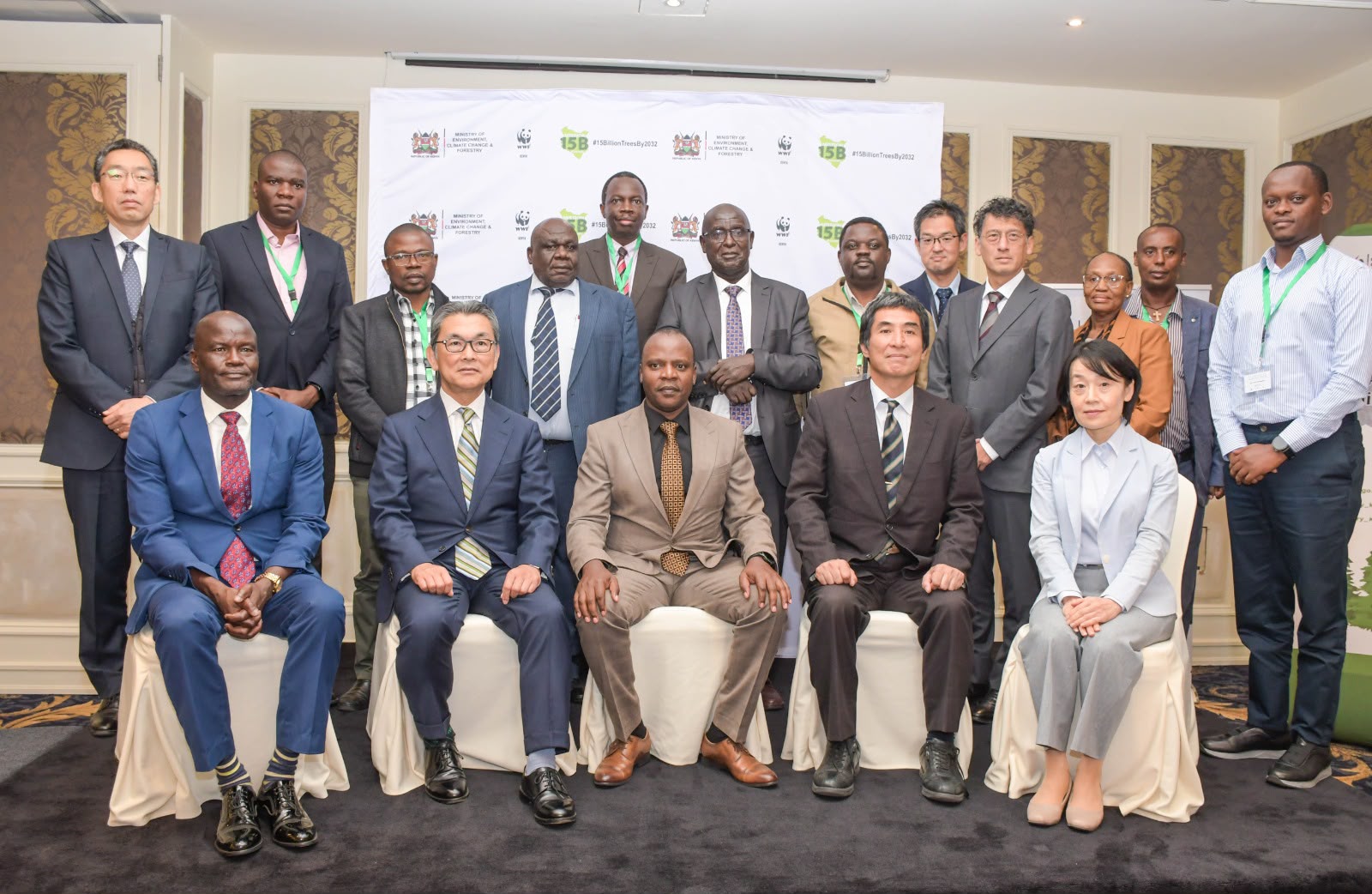
Cabinet Secretary for Mining, Blue Economy and Maritime Affairs Hassan Joho (centre) poses for a photo with stakeholders during the Annual Mining Policy Brief and Stakeholders’ Forum held in Nairobi on October 29, 2026, where two key documents were launched to strengthen governance and promote responsible mining in Kenya.
Kenya has launched two new policy documents aimed at strengthening governance, improving safety and protecting the environment in the mining sector as the government seeks to increase mining’s contribution to the country’s Gross Domestic Product (GDP) to 10 per cent by 2030.
The documents, the Artisanal Mining Committee Manual and the Environmental and Social Impact Assessment Guidelines for the Mining Sector, are intended to promote responsible mining, strengthen community participation and support the formalisation of artisanal and small-scale mining.
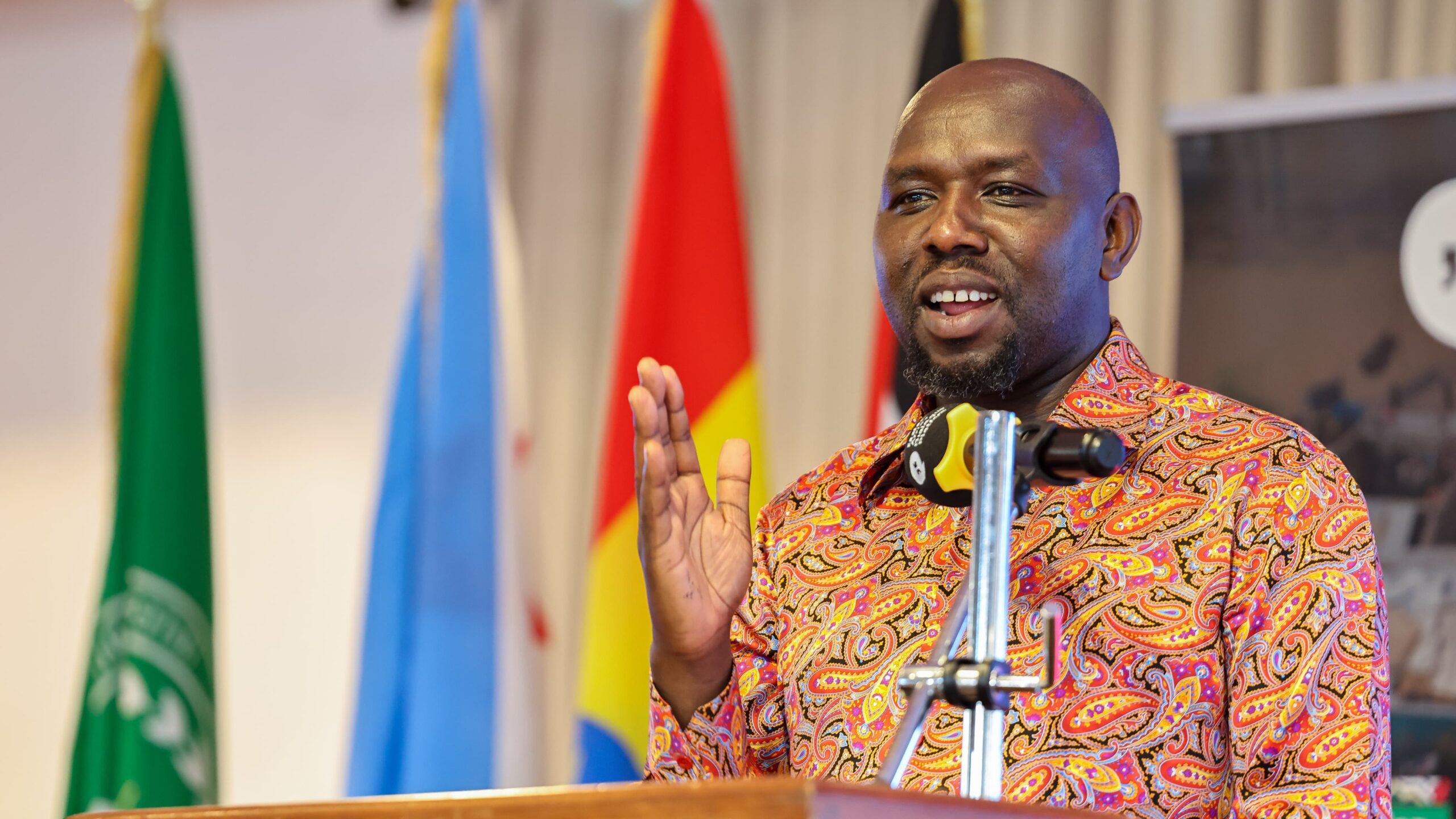
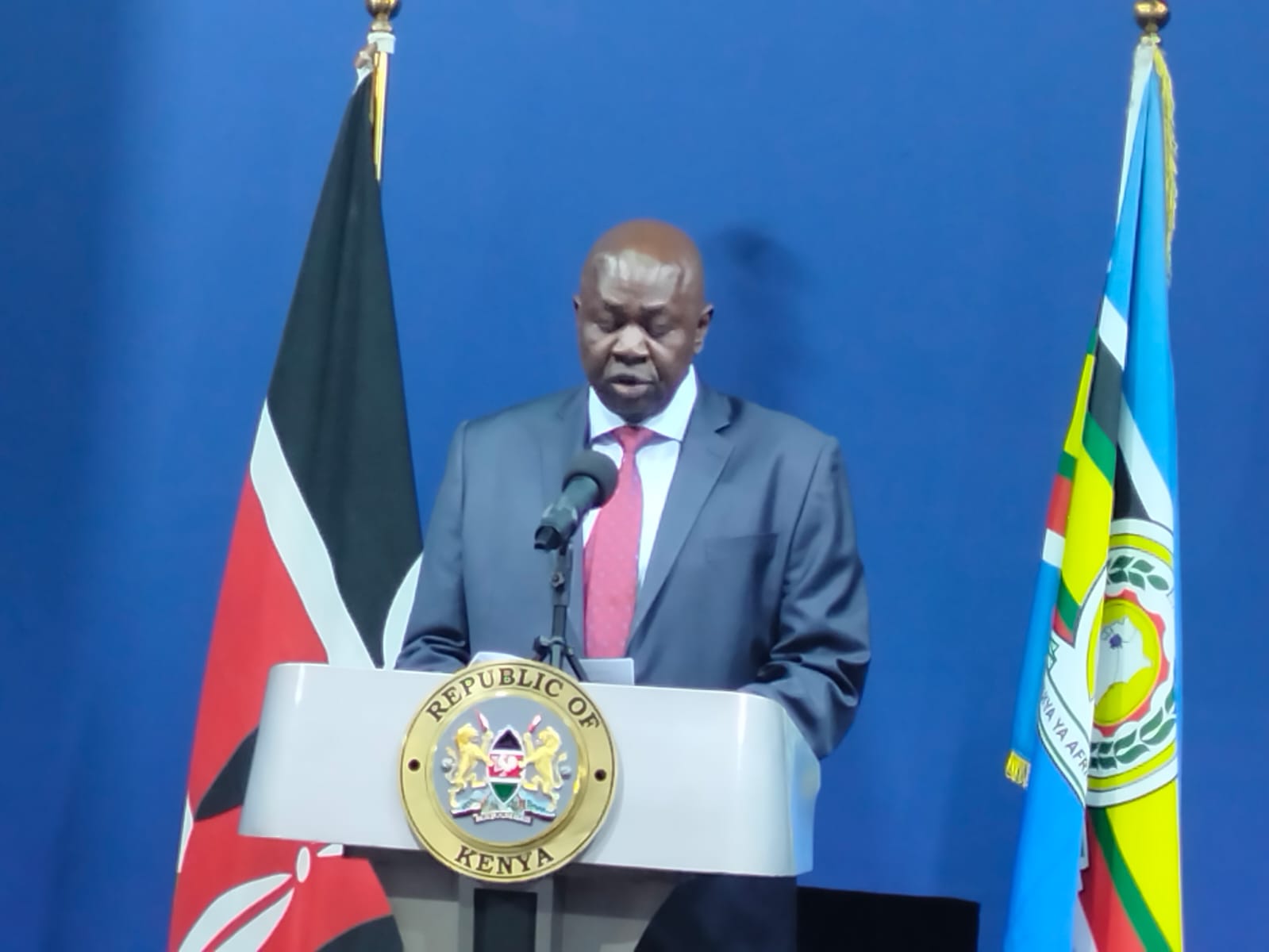
Speaking during the Annual Mining Policy Brief and Stakeholders’ Forum in Nairobi on Thursday, Cabinet Secretary for Mining, Blue Economy and Maritime Affairs Hassan Joho said mining had the potential to create jobs, expand exports, support industrialisation and improve livelihoods across the country.
“Mining is a frontier sector for Kenya’s transformation. It is no longer a peripheral activity,” said Joho, adding that responsible exploitation of mineral resources could raise the sector’s contribution to GDP from less than one per cent to 10 per cent by 2030.
He said artisanal and small-scale miners remained an important source of employment in rural areas but continued to face challenges, including informal operations, unsafe working conditions, environmental degradation, limited access to finance and inadequate technical support.
The CS said the government was committed to formalising the sector through capacity building, improved working conditions, better access to markets and the inclusion of miners in mineral value chains.
He added that training miners and establishing mineral marketing cooperatives would help organise the sector, improve bargaining power and enable miners to access better markets.
Joho said the newly launched manual would strengthen grassroots governance, accountability, dispute resolution, safety and coordination among miners, communities and government agencies.
He emphasised that sustainable growth required mining companies to integrate environmental, social and governance principles into their operations.
“Growth without sustainability is not transformation,” he said, noting that investors increasingly expected mining operations to protect the environment, respect human rights, promote gender inclusion and safeguard workers.
The Environmental and Social Impact Assessment Guidelines provide direction on identifying, assessing, managing and monitoring environmental and social risks throughout the mining cycle, including mine closure and rehabilitation.
Joho urged county governments, mining committees, investors, civil society organisations and communities to implement the guidelines rather than allow them to remain policy documents.
The government will support their implementation through training, county-level dissemination, capacity building for regulators and miners, and monitoring arrangements.
Meanwhile, the United Nations Development Programme (UNDP) has called for increased investment, stronger coordination and a multi-partner approach to support reforms in the mining sector.
Speaking through Deputy Resident Representative Madelena Munoja, UNDP Kenya said the sector supported more than 800,000 rural livelihoods, with artisanal mining providing an important source of income for thousands of women and young people.
Munoja said the sector’s economic potential must be matched by efforts to protect workers, communities and the environment.
“The value of mining cannot be measured by production alone,” she said, adding that the safety of workers, community protection, environmental health and the rehabilitation of mined land should also inform the sector’s performance.
She said the Environmental Governance Programme (EGP), implemented in partnership with the Kenyan government and supported by Sweden, had strengthened artisanal mining committees, introduced participatory environmental monitoring, supported on-site compliance assistance and conducted occupational health assessments of miners.
Munoja called for increased funding to extend successful pilot initiatives to more mining sites and counties.
She also emphasised the need to coordinate the work of national and county governments and institutions responsible for mining, the environment, land, labour and occupational safety.
UNDP further proposed a government-led development partners’ working group to align technical assistance and financing with agreed priorities.
The organisation is supporting the ongoing Kenya Mining Governance Assessment in partnership with the Intergovernmental Forum on Mining, Minerals, Metals and Sustainable Development (IGF).
The assessment is expected to provide an overview of Kenya’s mining governance framework, identify institutional gaps and recommend reforms.
Separately, Elisabeth Simelton, Deputy Programme Manager of the Environmental Governance Programme, said collaboration among government agencies, development partners, miners and communities was essential to achieving responsible mining.
Speaking virtually on behalf of the Swedish Environmental Protection Agency and EGP, Simelton commended the State Department for Mining, the National Environment Management Authority (NEMA), county governments and UNDP for their role in implementing the programme.
She said the initiative had supported training on mine closure and environmental management, participatory environmental monitoring and compliance assistance for artisanal miners.
Simelton noted that occupational health assessments, including those examining mercury exposure among artisanal miners, had provided counties with evidence to guide further action.
She called for harmonised regulations, stronger institutions and coordinated investments, warning that overlapping mandates and regulatory requirements could increase operating costs and push miners towards informality.
She also highlighted the need to improve working conditions, protect human rights and promote gender equality, particularly for women working in artisanal and small-scale mining.
Simelton urged the government and development partners to sustain successful initiatives through continued budgetary commitments and the use of existing government systems.
The forum brought together government officials, development partners and other stakeholders to discuss policy reforms and the future of Kenya’s mining industry.
Participants also raised concerns about gaps in the legal and institutional framework governing mining, particularly the role of county governments in local mining committees and environmental management.
Discussions highlighted the need to clarify institutional mandates, strengthen coordination between national and county governments and ensure that mining policies align with constitutional provisions and community interests.
The stakeholders’ engagement is expected to contribute to policy recommendations aimed at strengthening governance, promoting responsible investment and ensuring that mining benefits local communities while protecting the environment.