
Murkomen calls for early action as Kenya prepares for El Niño threat
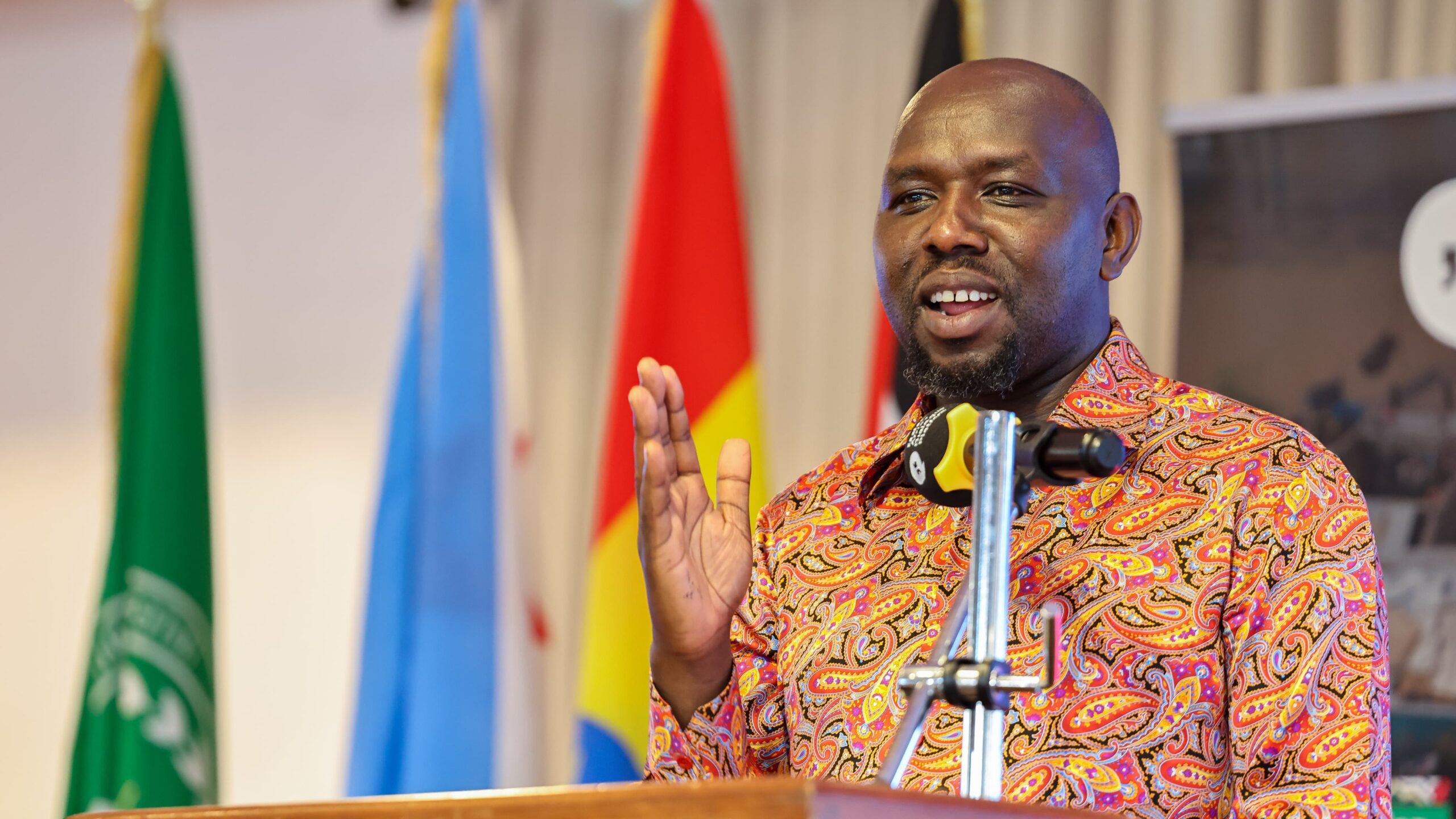
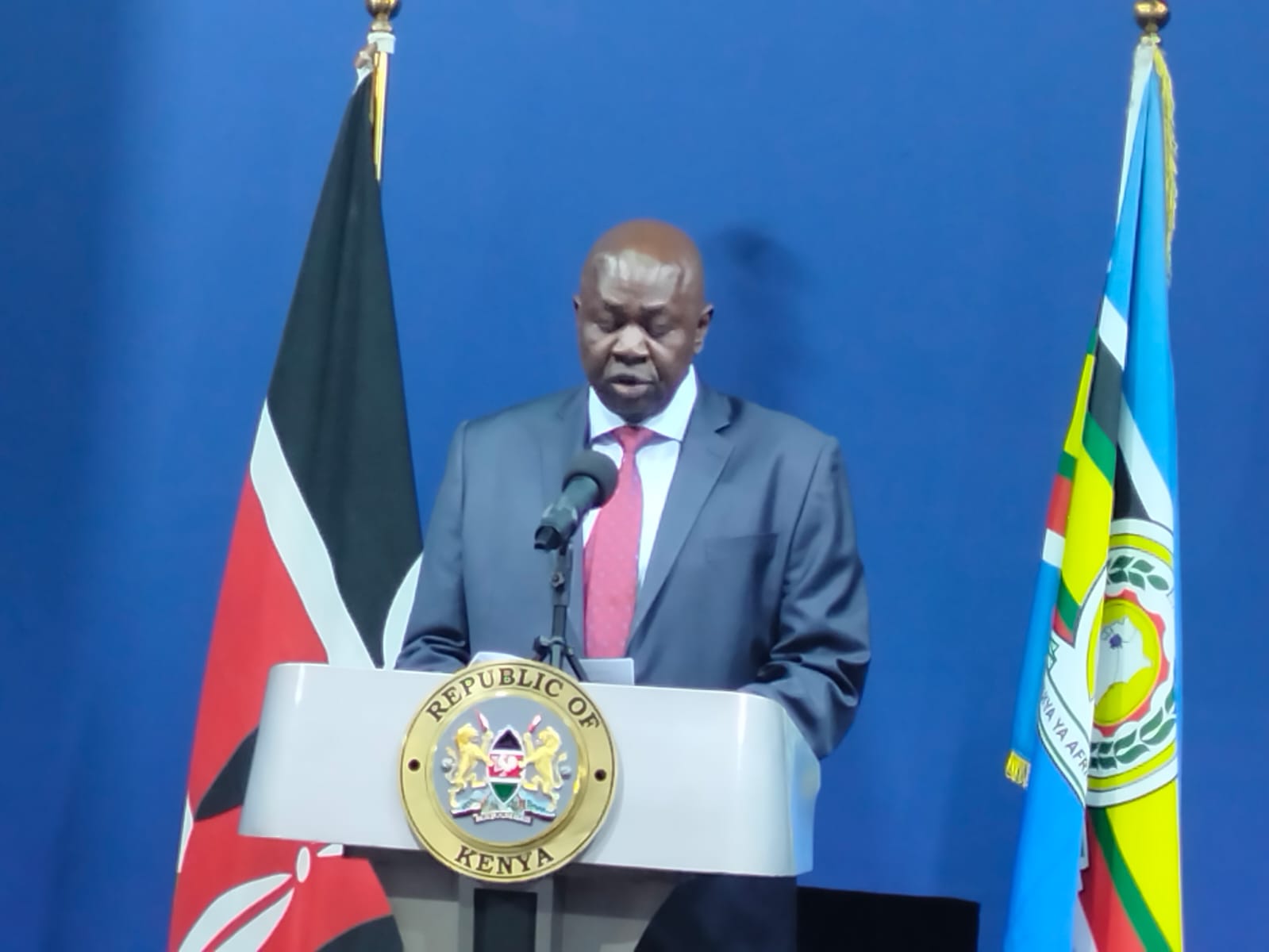
Interior Cabinet Secretary Kipchumba Murkomen has urged national and county governments to shift from reactive disaster response to early intervention as Eastern Africa faces growing climate-related risks.
Speaking in Mombasa during the Second Eastern Africa Dialogue Platform on Anticipatory Action, Murkomen said disaster risk management must be integrated into national planning, with financing and early-warning systems in place before disasters strike.
He warned that climate change was increasing the frequency, severity and unpredictability of extreme weather events, placing pressure on public institutions, community security and regional stability.
“As governments, disaster management can no longer be treated as an isolated, purely reactive humanitarian duty,” he said.
Murkomen said Kenya was strengthening its disaster management institutions and legislative frameworks. He identified the Disaster Risk Management Act, 2026, the Disaster Risk Financing Strategy for 2026–2030, the Kenya Anticipatory Action Roadmap for 2024–2029 and the National Framework for Climate Services as key instruments guiding preparedness.
He said the government was taking forecasts of strong El Niño conditions seriously and called for closer coordination between national and county authorities.
“The urgency is real. Strong El Niño conditions are anticipated this season. Preparedness is a present test, and the Government is taking it seriously,” he said.
The meeting, convened by the Intergovernmental Authority on Development (IGAD) in partnership with the Kenyan government, seeks to strengthen regional cooperation on disaster preparedness and early intervention.
Murkomen said droughts, floods and climate-related displacement often affected several countries simultaneously, while disasters could worsen insecurity by destroying livelihoods and intensifying competition for scarce resources.
“Anticipatory action is therefore not simply a technical intervention, but a vital instrument of public safety, national security and responsible governance,” he said.
Kenya is linking meteorological forecasts to county-level contingency planning through improved interdepartmental coordination and the operationalisation of the Early Warnings for All initiative.
Murkomen said county governments, local administrators, community leaders and grassroots organisations were central to preparedness because they were often the first to respond.
He called for warning messages to reach everyone in time, including women, children, older people and persons with disabilities. He also said indigenous knowledge should be combined with scientific forecasting to improve public trust and ensure communities receive information they can understand and act on.
“Localisation is the linchpin,” Murkomen said, adding that local authorities needed reliable information, adequate resources and clear authority to act before disasters escalated.
He said preparedness also required financing mechanisms that could release resources quickly once agreed risk thresholds were reached. Kenya’s Disaster Risk Financing Strategy for 2026–2030 is intended to support pre-arranged funding, while anticipatory financing is being integrated into contingency budgets and social protection systems.
Murkomen urged development partners, international financial institutions and the private sector to provide predictable, flexible funding that strengthens government-led systems rather than creating parallel structures. He also reaffirmed Kenya’s commitment to making anticipatory action a core function of national and county disaster governance and to operationalising the Disaster Risk Management Act, 2026, to establish clear responsibilities, coordination arrangements and standard operating procedures.
At the regional level, he called on IGAD member states to share risk information, improve the compatibility of early-warning systems, harmonise response triggers and promote peer learning.
The three-day dialogue brings together government representatives, United Nations agencies, development partners and civil society organisations to translate regional commitments into practical action. Murkomen urged delegates to embed early action in national legislation, development budgets and regional frameworks.
The first Eastern Africa Dialogue Platform, held in Mombasa in 2024, established a shared regional vision and adopted a 17-point declaration on anticipatory action. The current meeting seeks to build on those commitments by strengthening government-led systems that enable countries to act before climate-related hazards become full-scale humanitarian emergencies.