
Kenya Targets $700 Million in Waste Sector Investments
– Currently, Kenya has more than 120 circular economy businesses operating across the value chain
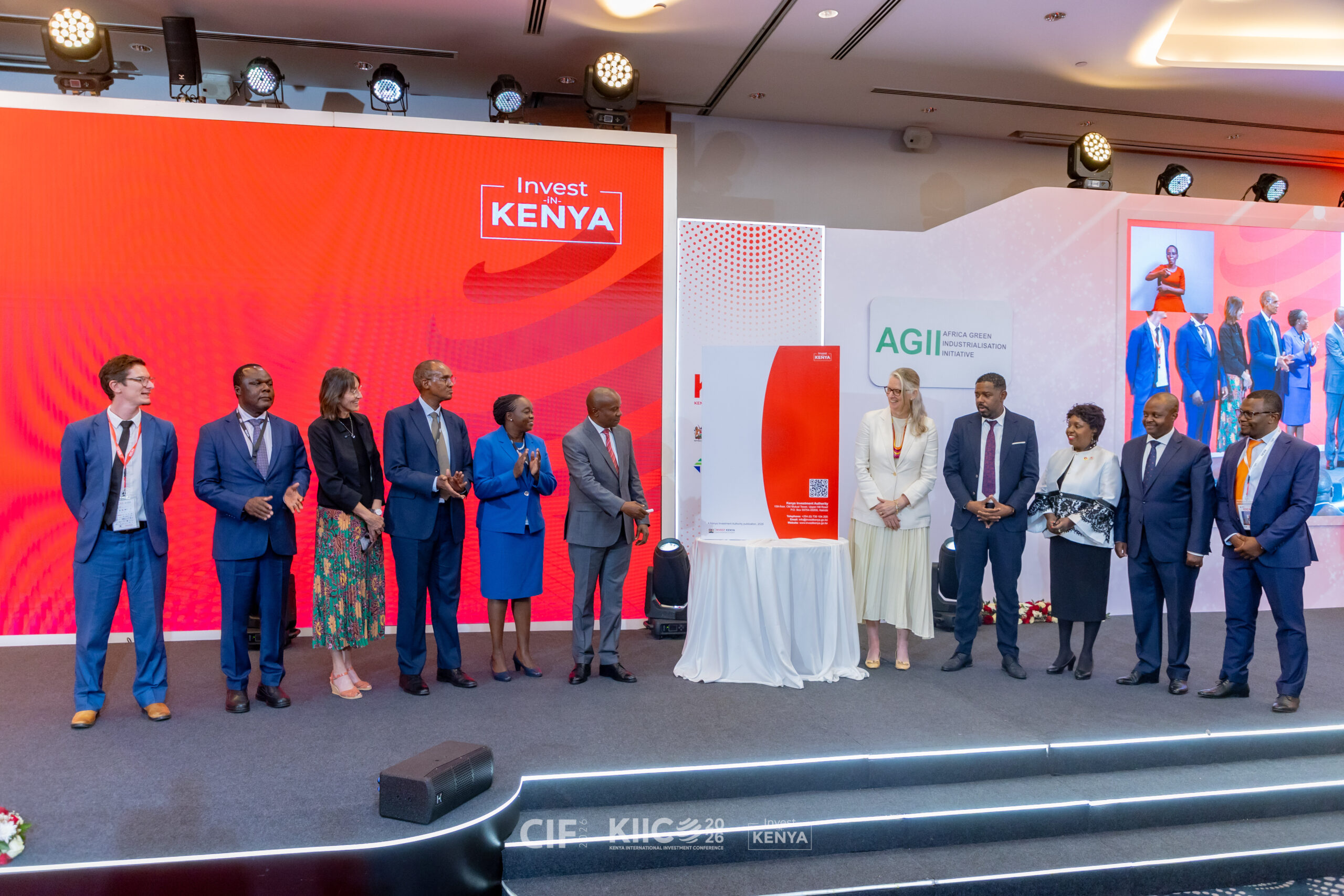
Nairobi, Kenya, March 30, 2026 – Invest Kenya has launched Waste Management and Circular Economy: Investment Pathways and Opportunities in Kenya, a new investment prospectus aimed at unlocking investment in Kenya’s waste management and circular economy sectors and highlighting the significant economic opportunity presented by materials that are currently discarded.
The prospectus was launched at the Kenya International Investment Conference (KIICO) – Africa Green Industrialisation Initiative forum, where policymakers, investors, entrepreneurs, and development partners gathered to discuss opportunities to scale circular economy solutions and accelerate investment.
Kenya generates approximately 22,000 tonnes of waste every day, yet only around 4% of waste is currently recycled. Translating this waste into value across five sectors could unlock over $700 million in economic value and contribute approximately 0.5% to Kenya’s GDP by 2030, while supporting job creation and strengthening domestic supply chains.
The prospectus was commissioned by Invest Kenya and developed in collaboration with global system change advisory firm Systemiq, law firm ALN Kenya, and TakaTaka Ni Mali, a tech-enabled social enterprise in the waste management and circular economy sector. It reframes waste not only as an environmental challenge but as a strategic economic opportunity for Kenya, which already has a growing ecosystem of more than 120 circular economy businesses operating across the value chain.
By recovering materials that would otherwise be lost, Kenya can create new industries, strengthen manufacturing value chains, and reduce reliance on imported raw materials. It focuses on opportunities that could accelerate Kenya’s circular economy transition over the next three to seven years, highlighting where private capital can benefit from and support scalable solutions.
The launch comes at a time of growing momentum for the circular economy in Kenya and globally. Recent policy developments, including the Sustainable Waste Management Act and Extended Producer Responsibility (EPR) frameworks, are helping create a more enabling environment for investment, while global shifts in supply chains are driving greater demand for recycled and secondary materials.
Prof. Kithure Kindiki, the Deputy President of the Republic of Kenya, speaking during the closing of Kenya International Investment Conference, noted:
“Climate commitments are reshaping industries. Investors are looking for destinations that combine sustainability, competitiveness, and long-term growth. In this emerging global order, we see this as Africa moment. Africa today stands at the intersection of climate action and economic transformation. Although Africa holds nearly 40% of the world’s renewable energy potential, the continent received only about 2% of global renewable energy investment over the past one decade. Correcting this imbalance is a climate imperative and also an investment opportunity of this generation. African leaders have already charted the path for through the Nairobi Declaration on Climate Change that took place in 2023 during the Africa Climate Summit”.
Investment in the sector has often been constrained by fragmented information about the opportunity and limited visibility of emerging businesses and projects. The prospectus aims to address this gap by clarifying investment opportunities across circular economy value chains
John Mwendwa, CEO of Invest Kenya noted “As witnessed during the opening of KIICO, the results are already tangible; we unveiled USD 2.9 billion in investments. And we have a robust pipeline of in green deals that we are actively facilitating towards closure. To further accelerate this momentum, we are fast-tracking a Project reparation Facility to develop investment-ready, bankable projects, while expanding de- risking instruments, including guarantees, blended finance, and risk-sharing mechanisms”.